The Haute Route takes you on a breathtaking journey between Chamonix and Zermatt, connecting two iconic mountaineering capitals. With its ever-changing landscape of glaciers, high alpine meadows, and charming huts, this trek offers an unparalleled alpine experience.
Prepare for an adventure treking Haute Route. This overview provides essential details on routes, difficulty, costs, and the best times to go, helping you plan a successful trek.
Distances
10 - 12 days, 180 km, +12,000 m, 2,964 m high point
daily: 5 - 8 hours, 12 - 20 km, +800 - 1,200 m gain
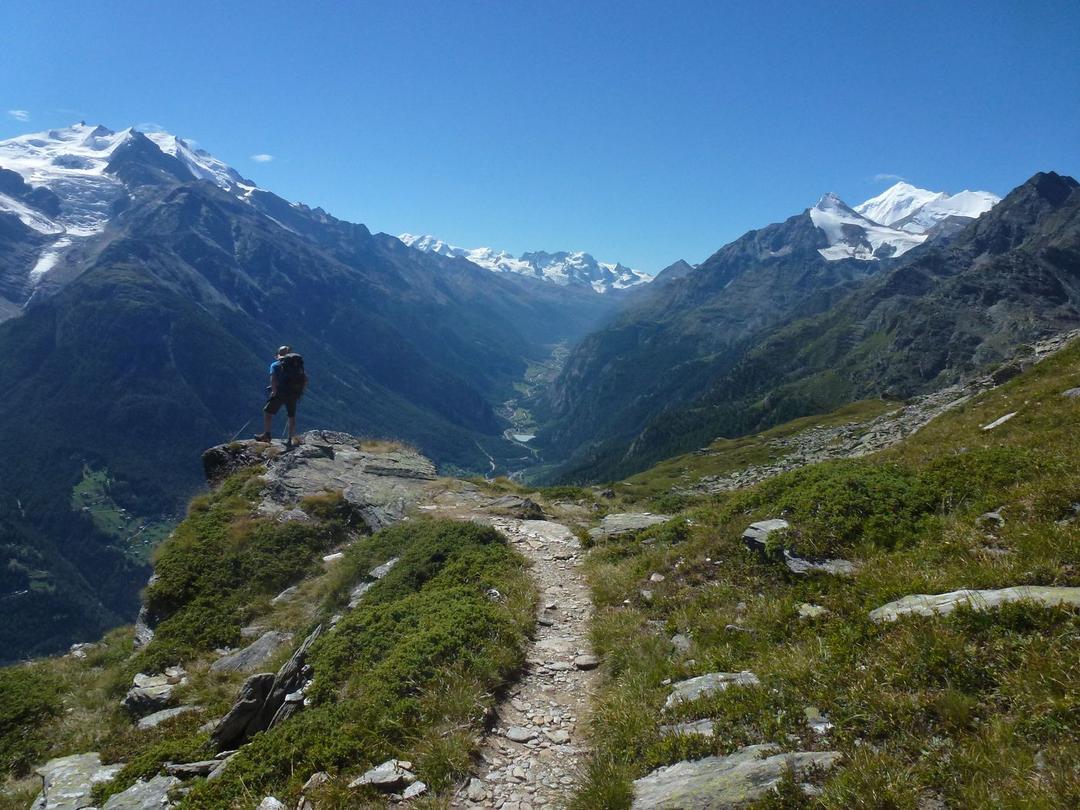
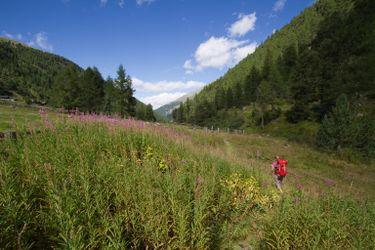
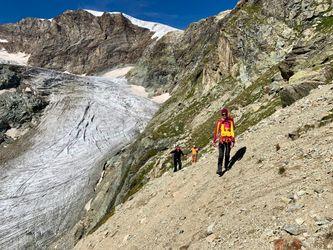
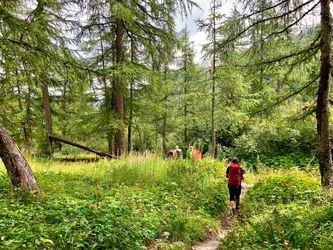
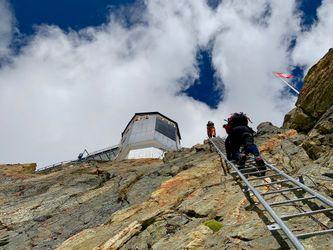
These are pictures taken while trekking Haute Route. They're shown here to give you an idea of what the route is like. You're welcome to share your own pictures of hiking Haute Route, to help the community of hikers. Picture here are either uploaded by members (their own, or creative commons pictures), or guides.
These guides offer organised treks for Haute Route. Compare each trip - pricing, reviews, and key details to help you choose the right guide. To explore more options / routes, check out our full Guides Directory.
We've carefully selected these independent guides based on their expertise with Haute Route. Compare their offerings, from group sizes and equipment inclusion to trip duration and support services. Each guide brings their own unique approach, so you can find the perfect match for your adventure. Click through to see full details and connect directly with any guide that interests you.
The Haute Route is a classic high-level trekking route that traverses the French and Swiss Alps, offering breathtaking scenery and challenging terrain.
Climbing to the lofty Fenêtre d'Arpette mountain pass and then descending to the tranquil Champex-Lac offers awe-inspiring views, solidifying its reputation as one of the trail's most challenging yet remarkably rewarding journeys.
In this trek you'll face a demanding climb about 4 kilometers northwest of Col du Tsaté, leading you into the stunning Val de Moiry. Descending into the valley, you'll reach Cabane Barrage de Moiry, perched on an exposed ridge with breathtaking views of Lac de Moiry – an ideal spot to spend the evening.
Treks that involve rugged or uneven terrain, such as rocky paths, scree slopes, or dense forests, may require more technical skills or physical effort.
Altitude / Elevation 6 / 10
Considering the maximum altitude reached during the trek. Higher altitudes can present challenges like thin air, low oxygen levels, and potential altitude sickness.
Distance 8 / 10
The total distance of the trek. Longer treks generally require more endurance and physical fitness.
Elevation gain 7 / 10
Total elevation gain throughout the trek. Treks with significant altitude changes can be more challenging, especially if they involve steep ascents or descents.
Technical difficulty 5 / 10
Some treks may require basic technical skills like river crossings, using ropes, or scrambling over rocks.
Access to facilities / Remoteness 4 / 10
Based on the availability of support facilities such as accommodation, food, water sources, and emergency services. Treks with limited infrastructure or remote areas can be more challenging due to self-sufficiency requirements. The less support facilities there are the harder the trek.
Climate & weather 5 / 10
How tough are the prevailing weather and climate conditions during the trek. Harsh weather, extreme temperatures, or unpredictable conditions can add to the difficulty.
 France
 Switzerland