
Treking Markha valley
 India
India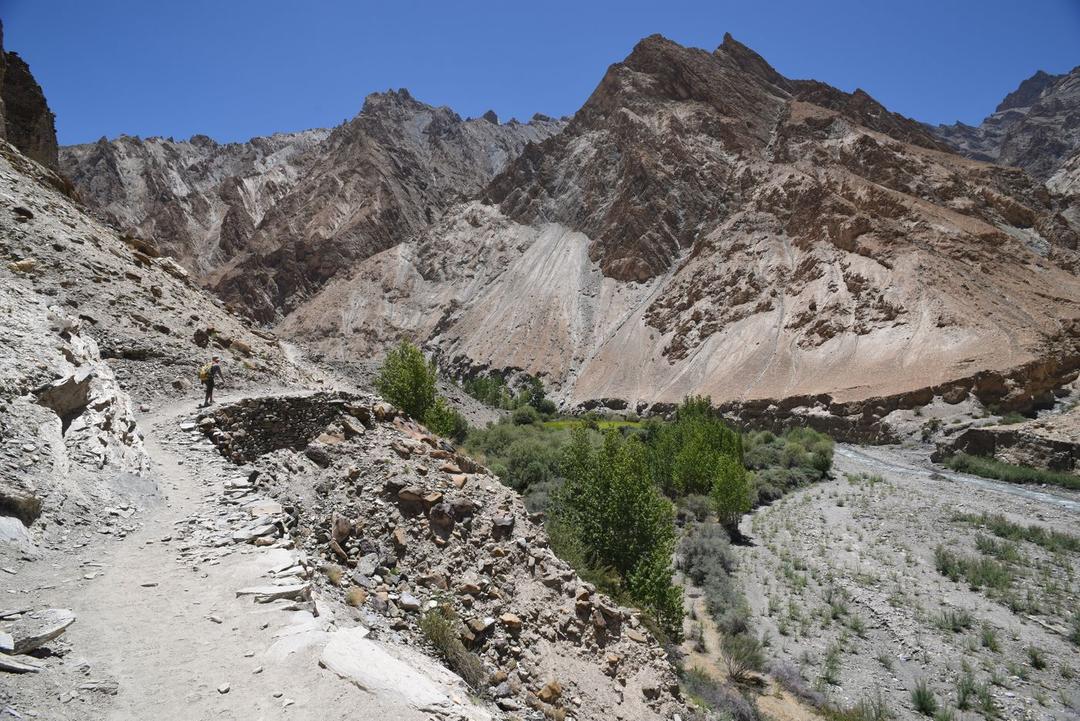
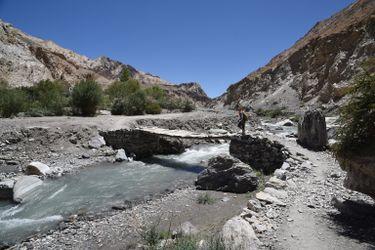
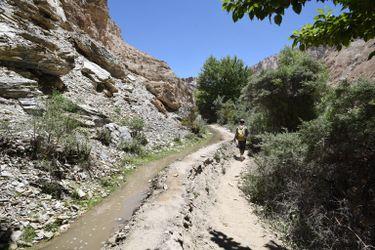
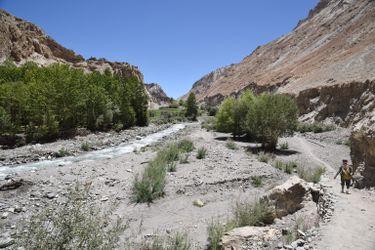
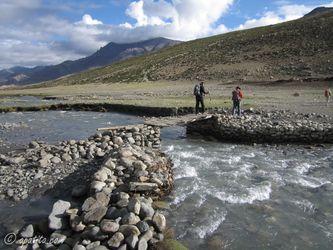
Prepare for an adventure treking Markha valley. This overview provides essential details on routes, difficulty, costs, and the best times to go, helping you plan a successful trek.
Distances
- 7 - 9 days, 75 km, +1,500 m, 5,150 m high point
- daily: 5 - 7 hours, 10 - 15 km, +200 - 300 m gain
Route
- through hike
- starting in Spituk/Zingchen
- ending in Shang Sumdo
When to go
- June to September
Guide links
These guides offer organised treks for Markha valley. Compare each trip - pricing, reviews, and key details to help you choose the right guide. To explore more options / routes, check out our full Guides Directory.
We've carefully selected these independent guides based on their expertise with Markha valley. Compare their offerings, from group sizes and equipment inclusion to trip duration and support services. Each guide brings their own unique approach, so you can find the perfect match for your adventure. Click through to see full details and connect directly with any guide that interests you.
Spituk to Zingchen (3,400 m)
Zingchen to Yurutse (3,900 m)
Yurutse to Skiu (3,400 m)
Skiu to Markha (3,700 m)
Markha to Thachungtse (4,200 m)
Thachungtse to Nimaling (4,700 m)
Nimaling to Shang Sumdo (3,650 m)
Can be done in any direction, most start at the Skiu/Zingchen/Chilling end to build up slowly to the high pass.
The trek is 5 / 10, based on the below factors:
Treks that involve rugged or uneven terrain, such as rocky paths, scree slopes, or dense forests, may require more technical skills or physical effort.
Considering the maximum altitude reached during the trek. Higher altitudes can present challenges like thin air, low oxygen levels, and potential altitude sickness.
The total distance of the trek. Longer treks generally require more endurance and physical fitness.
Total elevation gain throughout the trek. Treks with significant altitude changes can be more challenging, especially if they involve steep ascents or descents.
Some treks may require basic technical skills like river crossings, using ropes, or scrambling over rocks.
Based on the availability of support facilities such as accommodation, food, water sources, and emergency services. Treks with limited infrastructure or remote areas can be more challenging due to self-sufficiency requirements. The less support facilities there are the harder the trek.
How tough are the prevailing weather and climate conditions during the trek. Harsh weather, extreme temperatures, or unpredictable conditions can add to the difficulty.